How to make your old floors shine again
What to do when your old floors are beginning to show their age? Our expert explains when you should consider a complete renovation and when it may be sufficient to simply repair or replace the worn or damaged surfaces. In addition, he recommends the use of products that are safe for your health and for your home.
Tip 1: Replace only damaged tiles and re-grout
You don’t always need to completely rip out the existing flooring when there are visible signs of aging. With a tiled floor, for instance, it is often sufficient to simply replace those tiles that have cracks or chipped corners. Homeowners usually have a few spare tiles of the current floor covering stored away in the basement or garage. Once the damaged tiles have been replaced, the floor can be re-grouted.
Tip 2: Carefully and completely remove old textile flooring
If old textile flooring has been glued to the subfloor, removal can be challenging. If a water-soluble adhesive was used, you can peel the carpet off relatively easily after moistening it (approx. 1 to 2 hours). If a tackifier was used, the old flooring can be removed without leaving any residues. For non-water-soluble adhesives, machines known as floor strippers are used. Once the old carpeting has been removed, adhesive residue may remain on the floor. This and any other residue can be sanded off without creating dust with the help of special machines. Finally, the surface can be primed, levelled off and thus prepared for the new flooring
Tip 3: Refinish vinyl and design flooring: small steps, big impact
You can almost always refresh vinyl or design flooring that has been glued to the subfloor. In a first step, prepare the floor by cleaning it and then sand it down. After that, apply a new finishing coat. This process not only allows you to choose a new surface color but also to create various effects, e.g., by sprinkling in colored glitter. After this treatment, your vinyl or design flooring will shine like new again.
Tip 4: Enjoy the long service life of glued-down parquet
Wooden floors made e.g. of wooden floorboards, parquet or woodblock can be refinished multiple times, thus giving them an extremely long service life (with proper care, solid wood parquet can last 60 to 100 years). This makes them particularly sustainable. Over the years, wood flooring can be roughened or sanded down several times. After roughening or sanding, the surface can be completely refinished by applying an oil or varnish coat. Wooden flooring glued directly to the screed has proven to be more durable than “floating” installations: Glued-down parquet is much more stable, can withstand heavier loads, and can be sanded down more easily.
Tip 5: Renovate old screed surfaces by sanding and leveling
Even old wearing screeds (also called exposed screeds) can be renovated quite easily. After a clean-grinding step, brittle areas and uneven spots can be repaired with a leveling compound. These compounds usually set quickly, so the floor is ready to receive the new flooring within one day. In utility and cellar rooms, it is also possible to simply seal the screed and use it without any floor covering.
Tip 6: Safety and health take priority when choosing products
When removing old floor coverings, use an industrial vacuum cleaner (can be rented) and wear appropriate protective gear, including safety goggles, a fine-dust mask and work gloves. Whenever possible, use low-emission products for renovation work. We recommend products bearing the EMICODE® seal. The GEV, which is the German Association for the Control of Emissions in Products for Flooring Installation, Adhesives and Building Materials, awards the EMICODE® seal with its different categories only to products whose emissions have been verified through rigorous laboratory testing. Manufacturers must subject their products to regular unannounced spot checks carried out by independent testing institutes. They are only allowed to advertise their products with the EMICODE® seal if this is newly applied for after 5 years at the latest. EMICODE®-certified installation materials meet strict criteria for problematic substances and are largely free of VOCs (volatile organic compounds). Especially for flooring work, a wide variety of products bearing the EMICODE® label is available, including for instance adhesives, screed mortars, grouts, sealants and surface treatment products for parquet such as oils and varnishes. By using EMICODE®-certified products, you can be sure that the air quality inside your home will remain healthy – not only during but also after the floor renovation work.
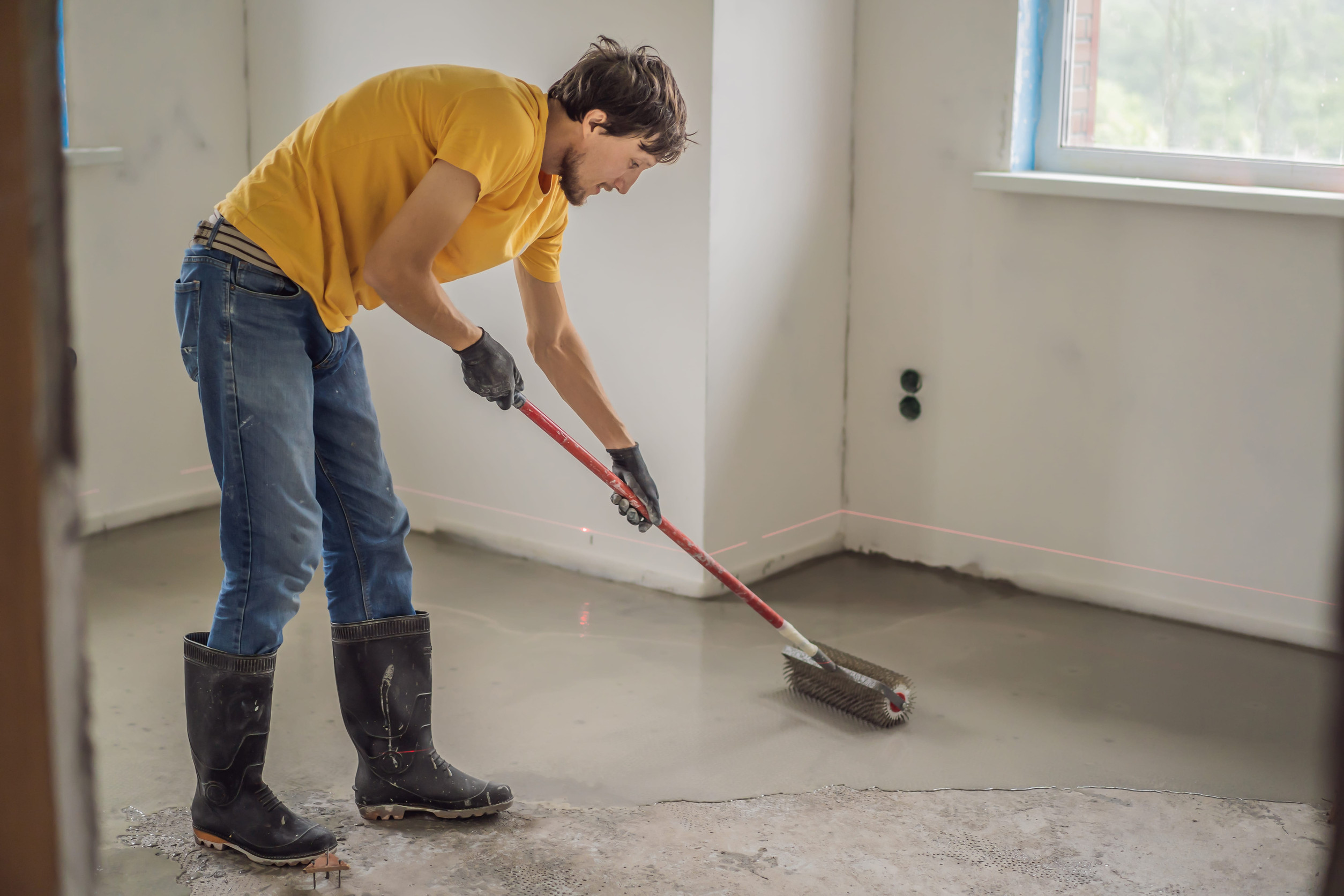
Photo: © GEV/Iris Pohl
Share article on Social Media: