Useful tips for installing new windows and front doors
In order to cut down on heating costs, it is necessary to replace the windows and front doors in many older buildings. Good to know: This replacement is subsidized by government grants. Modern windows and doors make the building envelope much tighter, not least thanks to the insulation and sealing materials used for their installation. This brings the issue of indoor air quality into focus. Our expert explains what you need to keep in mind when choosing materials for window and door replacement so as to ensure a healthy indoor climate.
Many houseowners are faced with the question of whether to invest in a new heating system. First and foremost, however, it makes sense to upgrade the energy efficiency of the building envelope. By replacing windows and front doors, an enormous efficiency increase can be achieved. The work should, however, be carried out by a specialist company.
Tip 1: Pay attention to product quality
Modern windows and front doors are highly complex systems: triple glazing, frames made of multi-chamber profiles, various seals, different frame materials and material combinations, multiple locking systems – all these components must be carefully matched to create high-quality windows and entrance doors. Valuable assistance for product selection and installation is provided by the RAL quality marks. They are awarded by the German Quality Association for Windows, Facades and Entrance Doors in cooperation with the ift Rosenheim testing and certification body.
Tip 2: Hire a good specialist company
Even the best quality products are useless if mistakes are made during installation. To ensure expert workmanship, the new components should be built in by a professional window and door fitter. Only then can they reliably fulfill their functions: protection against burglars, insulation against heat and cold in summer and winter, as well as protection against noise emissions, e.g. caused by traffic. When fitting the new components, a wide variety of insulation and sealing materials are used, such as joint sealants and compressed sealing tapes. These must be expertly installed in order to prevent thermal bridges and thus possible moisture damage. It is highly advisable to hire a company that is entitled to use the RAL quality mark for the installation of windows, facades and front doors.
Tip 3: Safe insulation and sealing materials thanks to the EMICODE® label
The insulation and sealing materials used for window and door installation should release only minimal emissions into the indoor air. Otherwise, health problems may arise. When placing orders, consumers can ensure that only products bearing the EMICODE® label are used. These products meet very strict emission criteria and, after initial testing, are subject to continuous monitoring in the form of unannounced spot checks. EMICODE®-certified building products are particularly recommended to exclude the emission of harmful VOCs (volatile organic compounds). Naturally, the EMICODE® system also includes other products used indoors, such as flooring adhesives, primers, or synthetic resin plasters. You are best advised to discuss the selection of suitable materials in advance with a specialist company you can trust.
Conclusion
In the end, it is both product users and consumers who benefit from health-compatible products bearing the EMICODE®label. You as a consumer can rest assured that your newly installed windows and doors offer exactly the level of energy efficiency, comfort and health compatibility you desire.
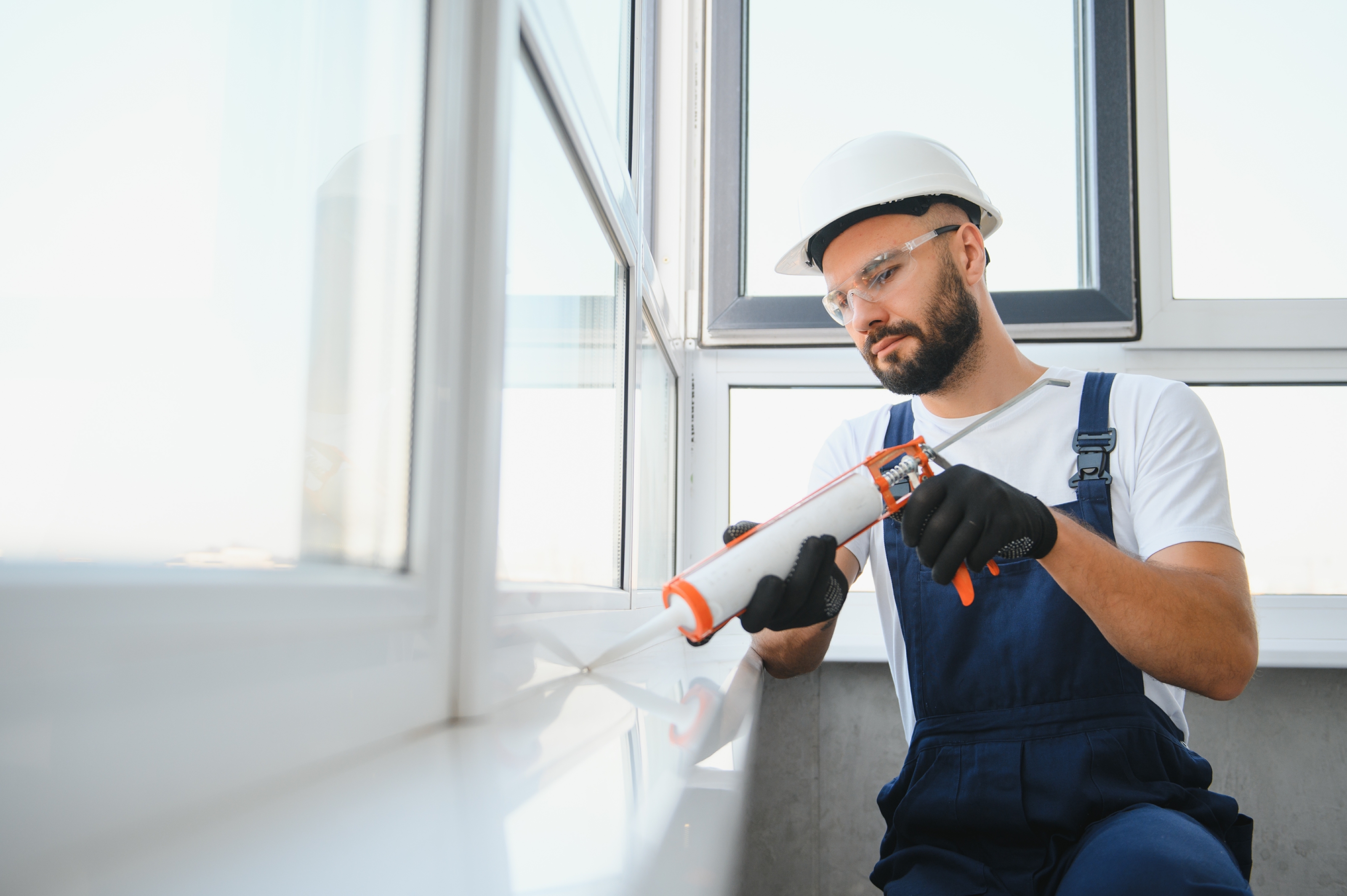
Photo: © Serhii/Stockadobe/GEV
Do You Have Questions?
If you have any questions on certain topics or want to contact us for another reason,
please contact us by phone or email.
Phone: +49 (0)211 843 449 – 01
info@emicode.com
Share article on Social Media: